Insurance and Safety for Carpet Steam Cleaner Operations
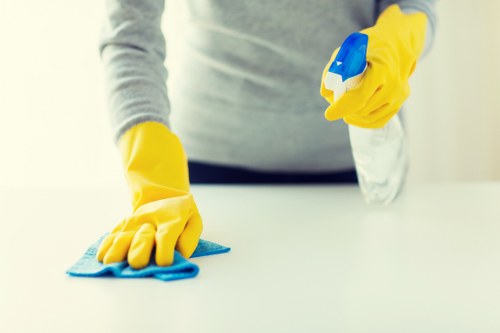 Keeping people and property safe is the cornerstone of any professional Carpet Steam Cleaner service. Whether you operate a portable steam carpet cleaner or a large industrial steam cleaning for carpets unit, a clearly defined insurance and safety framework reduces liability and builds client confidence. This page outlines essential elements: public liability insurance, staff training, personal protective equipment, and a structured risk assessment process tailored for carpet cleaning with steam.
Public Liability Insurance Essentials
Public liability insurance is non-negotiable for businesses offering carpet steam cleaning services. A robust policy protects against third-party claims arising from accidental damage, slips, trips, or other incidents while performing work with a steam carpet cleaner. Coverage limits should reflect the scale of operations, typical contract value, and risks presented by commercial versus residential sites. Key coverage considerations:
- Damage to property: Coverage for accidental staining, shrinkage, or water damage caused during carpet steam cleaning.
- Injury claims: Protection if a client, visitor, or third party is injured due to the cleaning activity.
- Legal costs: Insurance that covers defence expenses and settlements.
Comprehensive Staff Training
Trained technicians are the first line of defence against accidents and claims. A formal training program for operators of a Carpet Steam Cleaner should combine classroom learning with hands-on practice. Training should cover machine operation, safe use of detergents and encapsulants, water extraction techniques, and how to prevent over-wetting and carpet shrinkage.Ongoing competency checks are just as important as initial training. Implement a schedule of refresher sessions and practical assessments to maintain standards. Supervisors should use standardised checklists and observational audits to confirm that staff adhere to safety protocols and manufacturer instructions for the steam cleaning equipment.
![The image shows a person wearing a white shirt and a red and white checkered apron, holding a green plastic bowl filled with cleaning tools such as brushes, sponges, and spray bottles. The individual is also wearing pink rubber gloves, indicating they are engaged in house cleaning. The background features a kitchen setting with a stainless steel sink and tap, and a beige tiled wall. On the wall, there are bright green hooks holding various cleaning utensils, including a scrubber and a bottle opener. The scene is well-lit, emphasizing a clean and organized kitchen environment, typical of professional cleaning services in the [POSTCODE] area, reflecting the services offered by Carpet Steam Cleaner on their 'Insurance and Safety' page. The overall setting highlights thorough and hygienic cleaning practices suitable for residential spaces or commercial kitchens in Tangmere or nearby locations.](/pub/_photos/cleaning/f1434361696.jpg) Staff development should include specific modules on customer interaction, hazard recognition, and emergency response. Use role-play scenarios to simulate incidents like equipment leaks, hot water burns, or allergic reactions to cleaning agents. Keep written records of training dates, attendees, and assessment outcomes as evidence of due diligence in case of a claim.
Staff development should include specific modules on customer interaction, hazard recognition, and emergency response. Use role-play scenarios to simulate incidents like equipment leaks, hot water burns, or allergic reactions to cleaning agents. Keep written records of training dates, attendees, and assessment outcomes as evidence of due diligence in case of a claim.
PPE and On-site Protective Measures
Personal protective equipment (PPE) minimises exposure to physical and chemical risks during carpet cleaning with steam. Essential PPE for work with a steam carpet cleaner includes:- Non-slip footwear to prevent trips and falls on wet surfaces.
- Heat-resistant gloves for handling hot components or hoses.
- Eye protection when injecting or extracting cleaning solutions.
- Protective aprons or coveralls to keep clothing dry and reduce contamination transfer.
In addition to PPE, set up clear exclusion zones around active work areas. Use warning signs and cordons to prevent clients and other contractors from entering a wet-floor zone. For larger steam cleaning jobs, consider deploying portable floor fans and dehumidifiers to speed drying times and reduce slip hazards.
Machine Safety and Maintenance
Regular maintenance of steam carpet cleaning equipment reduces the risk of malfunction. Schedule pre-job inspections to check hoses, pressure gauges, safety valves, and electrical leads. Keep a maintenance log, and follow manufacturer service intervals. Never bypass safety interlocks or operate a steam cleaner with damaged insulation or exposed wiring.Risk Assessment Process
A systematic risk assessment for each job ensures hazards are identified and controlled before work begins. The process should be documented and straightforward, centred on these steps: identify, evaluate, control, and review. Tailor the assessment for carpet steam cleaning operations by considering site-specific factors such as floor type, footfall, stairs, access routes, and the presence of vulnerable occupants.![A person wearing yellow rubber cleaning gloves and a red and white checkered apron with a floral pattern is holding a green cloth in their right hand while crossing their arms in a kitchen setting. The background features a white countertop with various cleaning supplies, including spray bottles, a purple container, and a green bowl, suggesting a cleaning task in progress. The kitchen appears tidy, with surfaces free of clutter. The image emphasizes kitchen cleanliness, highlighting the tools and materials associated with professional cleaning services, subtly supporting local SEO signals related to cleaning in the area near [POSTCODE] and [TOWN]. The lighting is bright and natural, contributing to a fresh, hygienic atmosphere typical of a well-maintained kitchen environment managed by experts like Carpet Steam Cleaner, based in the UK.](/pub/_photos/cleaning/f1437874704.jpg) When conducting a pre-job survey, gather the following information:
When conducting a pre-job survey, gather the following information:
- Site layout and access restrictions.
- Type of carpet and underlay???natural fibres vs synthetics respond differently to steam.
- Potential contamination sources (mould, food spillages, pet dander).
- Electrical supply points and trip hazards from cables and hoses.
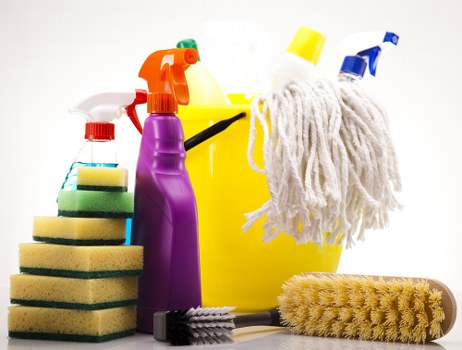 Controls should be practical and graded: eliminate risks where possible (use low-moisture techniques), substitute hazardous chemicals with safer alternatives, implement engineering controls (cable covers, extraction fans), and apply administrative controls such as staggered work times. Record residual risk and acceptability, and ensure the client or site manager signs off on the assessment when required.
Documentation and Continuous Improvement
Strong documentation underpins effective safety and insurance practice. Maintain copies of insurance certificates, training records, maintenance logs, and risk assessments for each job. These documents demonstrate a commitment to good practice and will be essential in defending any liability claim related to the use of a steam carpet cleaner.Finally, incorporate a process of continuous improvement: review incidents and near-misses, update risk assessments, and refresh training. Use insights from real jobs to refine procedures for carpet steam cleaning, ensuring both compliance and enhanced protection for staff, clients, and property.
Summary: Adopting a comprehensive approach to public liability cover, staff training, PPE use, and methodical risk assessments creates a safer, more professional carpet cleaning with steam operation and reduces the likelihood and impact of incidents.